Online sales strategies are the comprehensive plans and tactics that drive customer acquisition, conversion, and retention in the digital marketplace. Unlike traditional retail, online sales require a different approach that leverages digital marketing, user experience optimization, and customer psychology to create a seamless path from awareness to purchase and beyond.
The Importance of Strategic Online Sales Planning
Success in e-commerce doesn't happen by accident. Companies that implement well-thought-out online sales strategies significantly outperform their competitors in:
- Conversion rate optimization
- Customer lifetime value
- Average order value
- Customer retention and loyalty
- Market share and brand awareness
- Profit margins and return on investment
Understanding Your Customer Journey
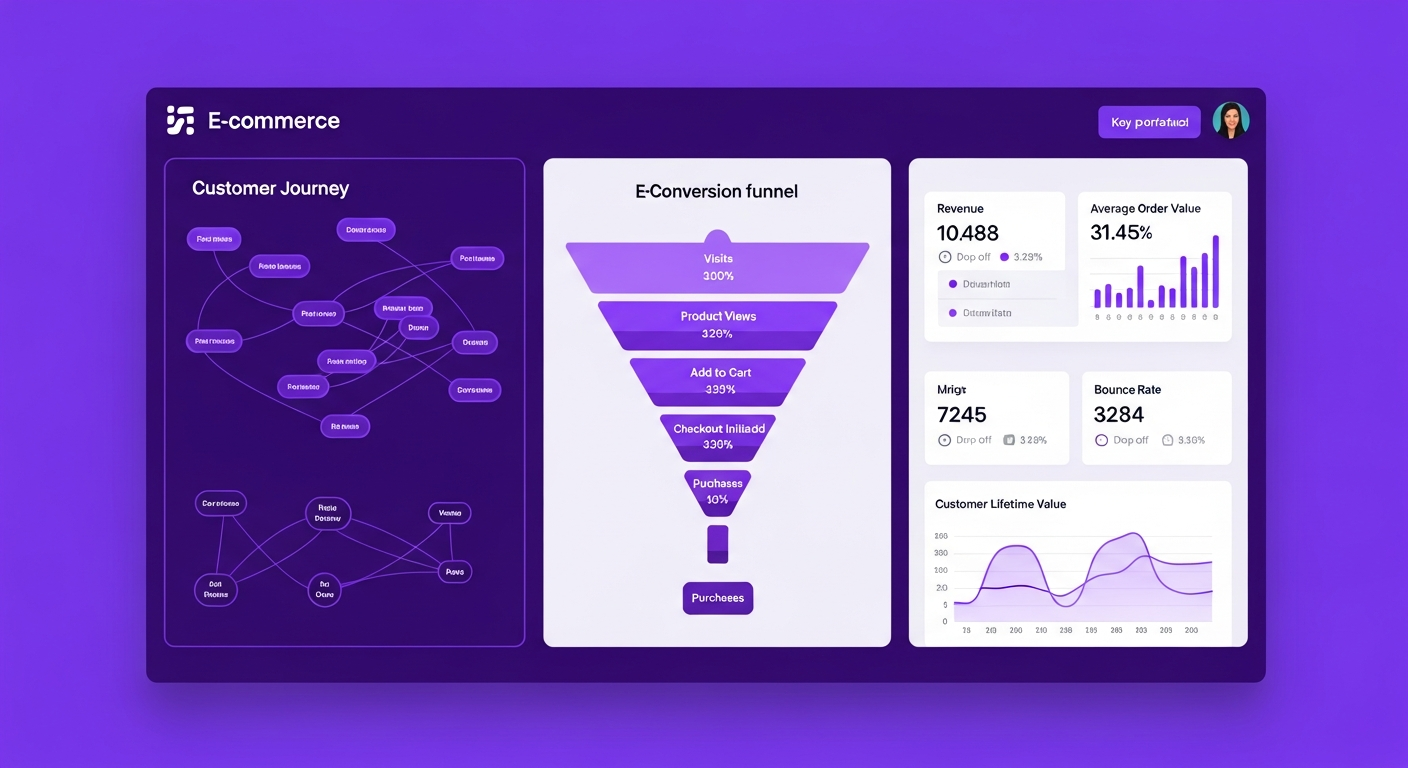
Awareness Stage
Customers don't know your brand yet. Your goal is visibility through:
- Content Marketing: Blog posts, videos, infographics that provide value
- Social Media Marketing: Building presence on relevant platforms
- SEO Optimization: Ranking for relevant search terms
- Paid Advertising: Google Ads, Facebook Ads, Instagram promotions
- Influencer Partnerships: Leveraging influencers in your niche
Consideration Stage
Customers are evaluating your products against competitors. Strategies include:
- Product Reviews and Ratings: Social proof builds trust
- Detailed Product Descriptions: Clear, compelling information
- Comparison Guides: Help customers see your advantages
- Email Nurturing: Keep your brand top-of-mind
- Customer Testimonials: Real stories from satisfied customers
Purchase Stage
Converting browsers to buyers is critical. Focus on:
- Frictionless Checkout: Minimize steps and form fields
- Multiple Payment Options: Credit cards, PayPal, digital wallets
- Trust Signals: Security badges, money-back guarantees
- Strategic Discounts: Limited-time offers and coupons
- Abandoned Cart Recovery: Email reminders for incomplete purchases
Post-Purchase Stage
Retain customers and encourage repeat purchases:
- Order Confirmation and Tracking: Keep customers informed
- Follow-up Emails: Ensure satisfaction and request feedback
- Loyalty Programs: Reward repeat customers
- Personalized Recommendations: Suggest complementary products
- Customer Support: Excellent service builds loyalty
Conversion Rate Optimization (CRO)
1. Website Performance
A slow website kills sales. Ensure your site loads quickly, especially on mobile devices. Use tools like Google PageSpeed Insights to identify and fix performance issues.
2. User Experience (UX)
Your website should be intuitive and user-friendly:
- Clear navigation and logical product organization
- High-quality product images with zoom functionality
- Clear call-to-action buttons
- Mobile-responsive design
- Consistent branding and messaging
3. A/B Testing
Test different versions of web pages to see which performs better. Common elements to test include:
- Headline copy and tone
- Button colors and text
- Product page layout
- Checkout page flow
- Email subject lines
4. Social Proof and Trust
Display customer reviews, ratings, and testimonials prominently. Trust badges and security certifications also reduce purchase anxiety.
Pricing Strategies
Value-Based Pricing
Price based on the perceived value to customers rather than just cost. Premium positioning for higher-quality products.
Competitive Pricing
Monitor competitor prices and position yourself strategically—either as a premium option or a value leader.
Dynamic Pricing
Adjust prices based on demand, seasonality, inventory levels, and customer segments.
Psychological Pricing
Use techniques like $9.99 instead of $10 or bundle pricing to increase perceived value and sales.
Email Marketing for Sales
Email remains one of the highest-ROI marketing channels for e-commerce:
- Welcome Series: Introduce new subscribers to your brand and offer
- Promotional Emails: Highlight sales, new products, and special offers
- Abandoned Cart Emails: Recover lost sales with reminder emails
- Post-Purchase Follow-up: Request reviews and suggest related products
- Win-Back Campaigns: Re-engage inactive customers with special offers
Customer Retention Strategies
Loyalty Programs
Reward repeat customers with points, exclusive discounts, or VIP benefits. Loyal customers have higher lifetime value and lower acquisition costs.
Personalization
Use customer data to personalize experiences:
- Product recommendations based on purchase history
- Personalized emails addressing customers by name
- Customized homepage content
- Targeted product bundles
Excellent Customer Service
Fast, helpful customer support builds loyalty:
- Multiple support channels (chat, email, phone)
- Quick response times
- Easy returns and refunds
- Proactive communication
Multi-Channel Selling
Don't limit yourself to your own website. Expand sales through:
- Marketplaces: Amazon, eBay, Etsy
- Social Commerce: Instagram Shopping, Facebook Marketplace, TikTok Shop
- Third-Party Platforms: Specialty marketplaces in your industry
- Subscription Models: Recurring revenue from subscription boxes
- Wholesale Channels: Partner with retailers and B2B buyers
"In e-commerce, the most successful businesses don't just sell products—they build relationships and solve customer problems."
Analytics and Performance Measurement
Data drives decision-making. Key metrics to track:
- Conversion Rate: Percentage of visitors who make a purchase
- Average Order Value: Average amount spent per transaction
- Customer Acquisition Cost (CAC): Cost to acquire one customer
- Customer Lifetime Value (CLV): Total profit from a customer over time
- Cart Abandonment Rate: Percentage of incomplete purchases
- Return Rate: Percentage of products returned
- Customer Retention Rate: Percentage of customers who buy again
Seasonal and Promotional Strategies
Holiday Marketing
Plan promotions around major shopping periods:
- Black Friday and Cyber Monday
- Christmas and New Year
- Back-to-school season
- Valentine's Day and Mother's Day
- Industry-specific seasonal events
Flash Sales and Limited Offers
Create urgency with time-limited deals and exclusive offers. The scarcity principle encourages faster purchasing decisions.
Advanced Sales Strategies
Upselling and Cross-Selling
Upselling: Encourage customers to buy higher-value products. Example: Recommending premium versions or extended warranties.
Cross-selling: Recommend complementary products. Example: Suggesting phone cases with phone purchases.
Product Bundling
Package complementary products together at a discounted price to increase average order value.
Retargeting and Remarketing
Use pixel tracking to show ads to people who visited your site but didn't purchase. This keeps your brand top-of-mind and can recover lost sales.
Conclusion
Successful online sales require a holistic approach that combines strategy, psychology, and technology. Start by understanding your customers' journey, optimize your conversion funnel, and continuously test and improve your strategies based on data. Remember that building an online sales business is a marathon, not a sprint. Focus on providing genuine value, building trust, and creating exceptional customer experiences. As you scale, invest in automation and tools that allow you to maintain personalization while reaching more customers. The most successful online sellers are those who remain committed to understanding their customers' needs and continuously adapting their strategies to meet those needs in innovative ways.