Choosing the right e-commerce platform is one of the most critical decisions for your online business. With numerous options available—from Shopify to WooCommerce, BigCommerce, and beyond—it's essential to understand the strengths and weaknesses of each platform to make an informed decision that aligns with your business goals, budget, and technical requirements.
The Importance of Platform Selection
Your e-commerce platform serves as the foundation of your digital store. It affects:
- Ease of setup and management
- Scalability and growth potential
- Cost structure and profitability
- Customer experience and conversion rates
- Integration capabilities with other tools
- Security and payment processing options
- SEO and marketing features
Shopify
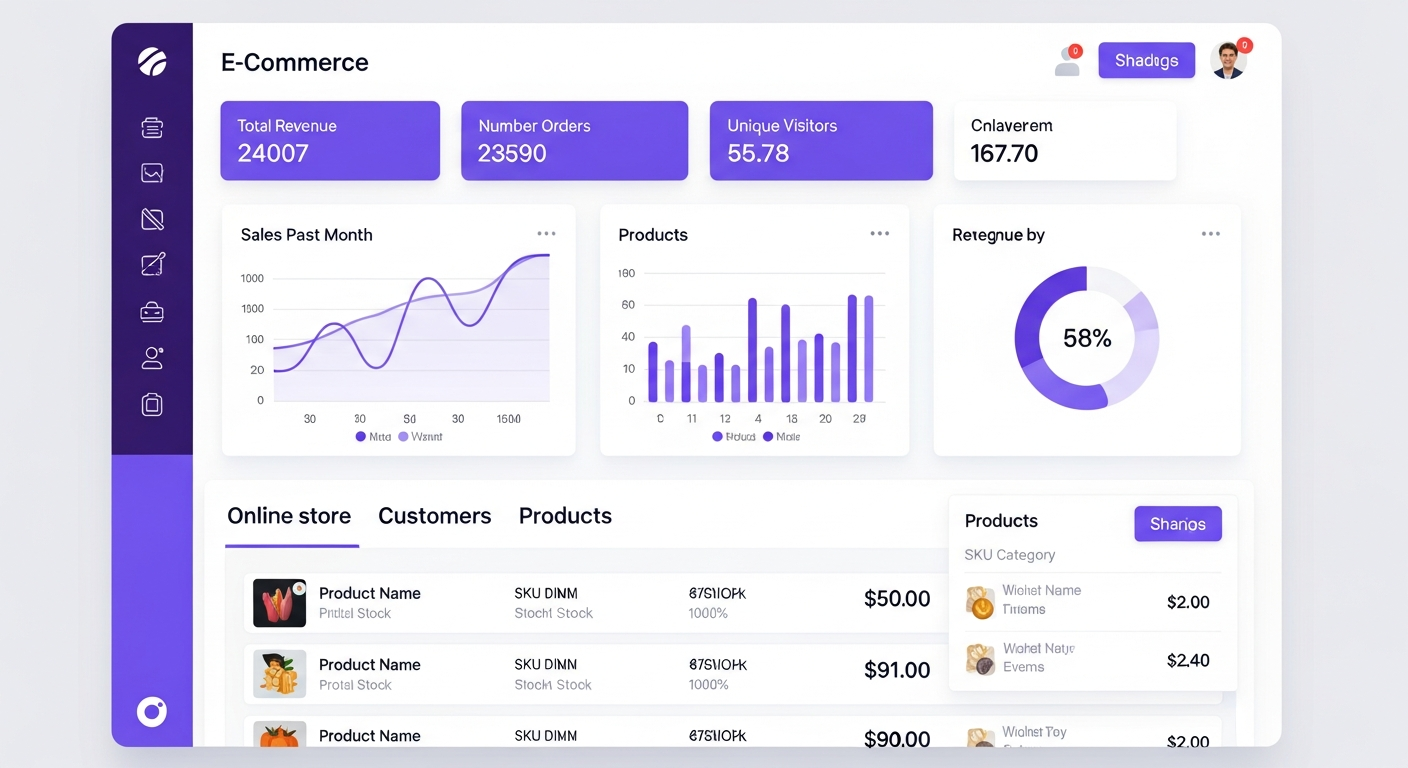
Overview
Shopify is a fully hosted SaaS (Software as a Service) platform, meaning you don't need to worry about hosting, maintenance, or security patches. It's designed for beginners to advanced users and is highly scalable.
Advantages
- Ease of Use: Intuitive interface with drag-and-drop functionality
- Hosting Included: No need to manage servers
- Security: Built-in SSL certificates and secure payment processing
- App Store: Extensive ecosystem of apps and integrations
- 24/7 Support: Excellent customer support
- Scalability: Handles high traffic and large inventories
Disadvantages
- Monthly Costs: Recurring subscription fees ($29-$2,300+ per month)
- Transaction Fees: Additional fees if using non-Shopify payment processor
- Limited Customization: Less flexibility in design customization
- App Dependency: Many features require paid apps
WooCommerce
Overview
WooCommerce is a free, open-source WordPress plugin that turns your WordPress site into a full-featured e-commerce store. It's ideal for those who already use WordPress or prefer maximum customization.
Advantages
- Free Plugin: No licensing costs for the platform
- Customization: Complete control over design and functionality
- WordPress Integration: Seamless integration with WordPress ecosystem
- Flexibility: Choose your own hosting and payment processors
- Large Community: Extensive resources and extensions available
- SEO-Friendly: Built on WordPress, naturally optimized for search
Disadvantages
- Hosting Costs: Must pay for separate hosting
- Maintenance: Responsible for updates and security
- Steep Learning Curve: Requires technical knowledge for advanced features
- Support: Community-based support rather than dedicated
- Extension Costs: Premium plugins and themes can be expensive
BigCommerce
Overview
BigCommerce is an enterprise-level, fully hosted platform designed for growing businesses. It's particularly suitable for mid-size to large stores with complex requirements.
Advantages
- Built-in Features: Most essential features included without apps
- Scalability: Handles unlimited products and transactions
- Multi-Channel Selling: Easily sell on multiple channels
- B2B Capabilities: Strong features for wholesale operations
- Professional Support: Dedicated support teams
- Advanced SEO: Comprehensive SEO tools included
Disadvantages
- Higher Cost: Monthly fees starting at $29.95, escalating quickly
- Learning Curve: More complex than Shopify
- Limited Design Freedom: Less customization than WooCommerce
- Overkill for Small Stores: Advanced features may be unnecessary for beginners
Other Notable Platforms
Magento
Open-source platform ideal for enterprise-level stores. Highly customizable but requires significant technical expertise and investment.
Squarespace
All-in-one platform with beautiful templates, perfect for designers and creative businesses. Limited customization compared to other options.
Etsy
Marketplace specifically for handmade goods, vintage items, and unique products. Lower barrier to entry but less control and higher transaction fees.
"The best e-commerce platform isn't necessarily the most feature-rich—it's the one that best matches your business needs, budget, and technical expertise."
Platform Comparison Table
Here's a quick comparison of key factors:
- Shopify: Best for ease of use and quick launch; good scalability; recurring costs
- WooCommerce: Best for customization and cost control; requires technical knowledge; lower ongoing costs
- BigCommerce: Best for enterprise needs and B2B; feature-rich; higher cost
- Magento: Best for large enterprises; maximum customization; highest complexity
How to Choose Your Platform
1. Assess Your Needs
Consider your product type, inventory size, expected traffic, and business model. A simple product catalog requires different features than a complex multi-vendor marketplace.
2. Evaluate Your Budget
Calculate total cost of ownership including subscription fees, hosting (if applicable), apps/extensions, payment processing, and support. Consider both startup costs and long-term expenses.
3. Consider Your Technical Skills
Do you need a user-friendly platform you can manage yourself, or will you hire developers? Some platforms require more technical knowledge than others.
4. Think About Growth
Choose a platform that can scale with your business. What works for a startup may not work for a mid-size company with thousands of products.
5. Test Before Committing
Most platforms offer free trials. Use these to get a feel for the interface, features, and overall user experience before making your final decision.
Integration and Add-On Ecosystem
The ability to integrate with other tools is crucial for modern e-commerce. Consider:
- Email marketing platforms (Mailchimp, Klaviyo)
- Accounting software (QuickBooks, Xero)
- Inventory management systems
- Shipping and fulfillment services
- Analytics and reporting tools
- Customer support systems
Security and Compliance
Ensure your chosen platform provides:
- PCI DSS compliance for payment security
- SSL/TLS encryption
- Regular security updates
- Backup and disaster recovery
- GDPR and privacy law compliance
Conclusion
There is no one-size-fits-all e-commerce platform. The best choice depends on your specific business needs, technical capabilities, budget, and long-term vision. Shopify excels at ease of use and quick launch; WooCommerce offers maximum customization and cost control; BigCommerce provides enterprise-grade features. Carefully evaluate your requirements against each platform's strengths and weaknesses. Remember, you're not necessarily locked into your initial choice forever—as your business grows, you can migrate to a more suitable platform. Take your time with this decision, use free trials extensively, and don't hesitate to consult with e-commerce experts if needed.